In the drylands of the Sahel, land degradation poses a serious threat to the well-being and livelihoods of millions of people. But thousands of communities in Niger, Burkina Faso and Senegal are taking action to reverse the trend. With support from Communities Regreen the Sahel, they are restoring ecosystems through Farmer Managed Natural Regeneration (FMNR) and agroecology.
An accessible, affordable and sustainable approach
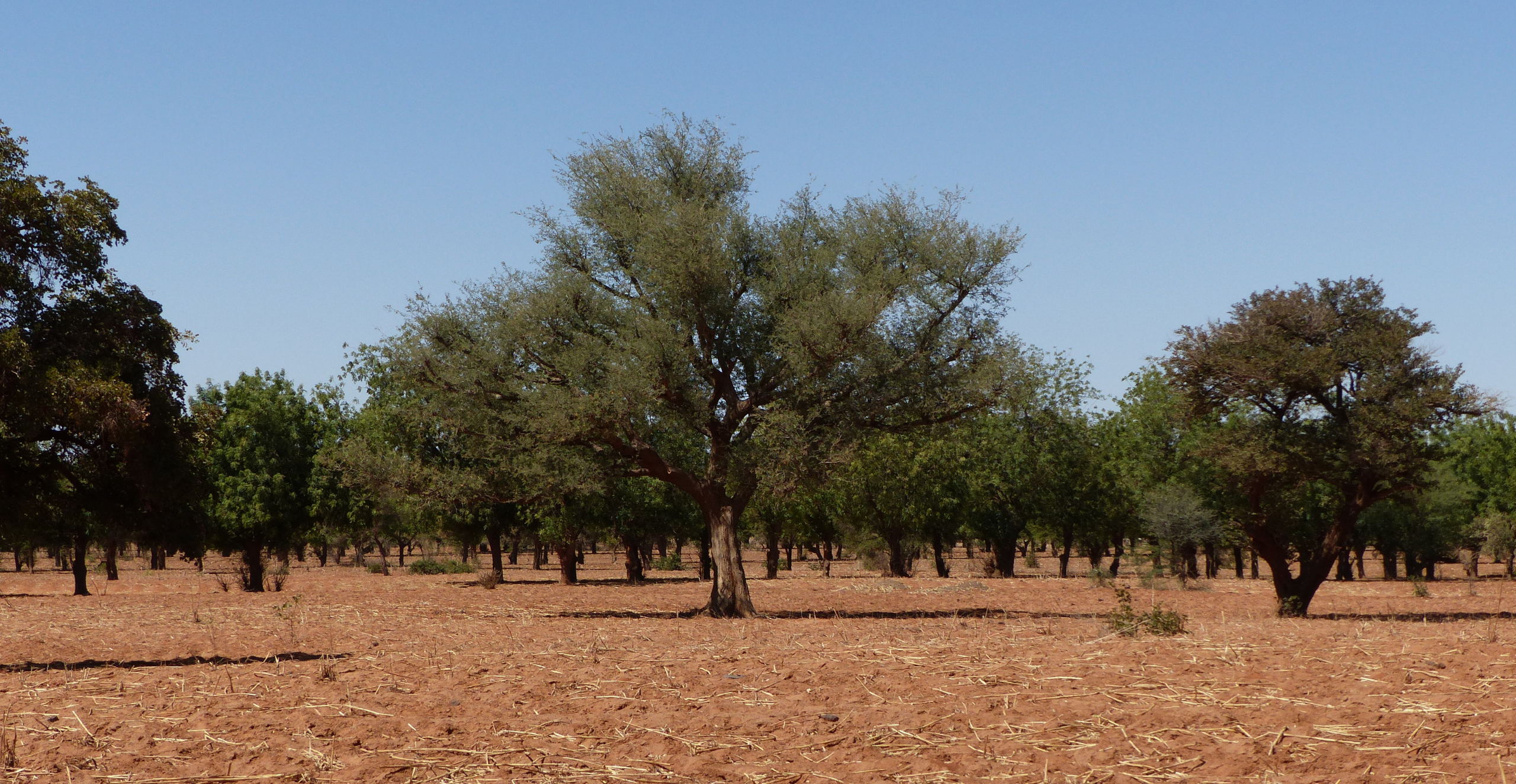
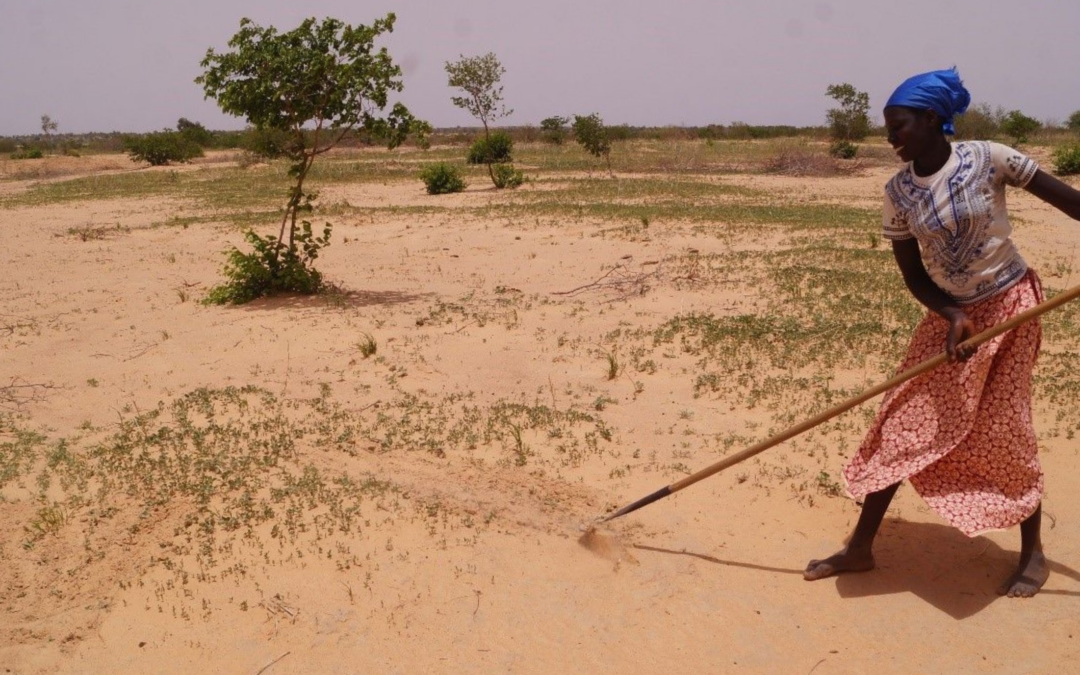
Developed in Niger and based on Indigenous knowledge, FMNR is an internationally recognised, highly effective technique to regenerate endemic forest landscapes by reviving dormant roots, stubs and seeds. Farmers facilitate regrowth of the Sahel’s ‘underground forests’ by protecting and caring for naturally sprouting trees. In turn, the regrowth of native, drought-resistant trees creates favourable conditions – including increased soil moisture and soil fertility – for other plant species to grow. FMNR trees also attract birds and bees, which play a critical role in sustaining ecosystems and food production through pollination and pest management.
In the Sahel’s arid environment, where access to water is limited, FMNR provides an accessible, affordable and sustainable approach to ecosystem restoration. As a result of the Communities Regreen the Sahel programme, more than 100,000 farmers in Niger, Burkina Faso and Senegal have been trained in FMNR and more than 140,000 hectares regreened in recent years. Average tree density has more than doubled – from 30/ha to 70-80/ha – on regreened areas.
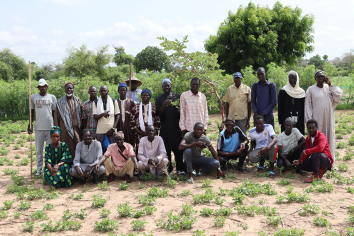
Group of FMNR practioners in Senegal
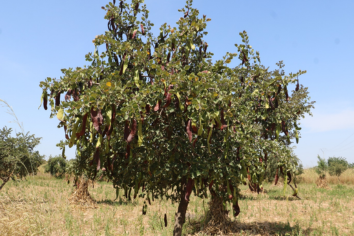
A Piliostigma reticulatum tree (nitrogen fixing and popular as a fodder crop) grown through FMNR in Burkina Faso
Strengthening ecosystem resilience through FMNR and agroecology
Alongside of FMNR, Communities Regreen the Sahel supports communities in reviving and developing agroecological practices to produce nutritious food in a sustainable, resilient and responsible way.
Agroecology works in harmony with local ecosystems by mimicking and supporting natural processes. In the Sahel, agroecological techniques include the use of stone lines, Zai pits and half-moon bunds to improve water retention. Composting and the use of organic fertiliser, such as manure, improves the health and fertility of soil. The natural regrowth of Indigenous species, such as the Senegal Tea Plant (Guiera senegalensis) and Camel’s Foot (Pilostigma reticulatum), helps draw water from the soil and disperse it near the roots of food crops. FMNR and agroecology go hand-in-hand to restore ecosystems and enhance food production.
Thanks to the Communities Regreen the Sahel programme, farmers are increasing their yields and incomes, while strengthening the resilience of local ecosystems to extreme weather and climate change, including drought, heat and wind.
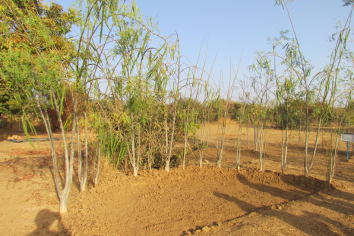
Demi lune with young trees
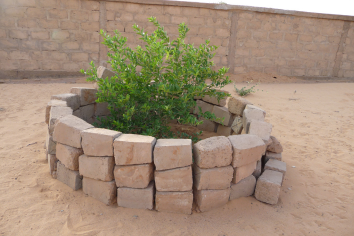
A young tree is protected against grazing cattle by a wall
Related stories
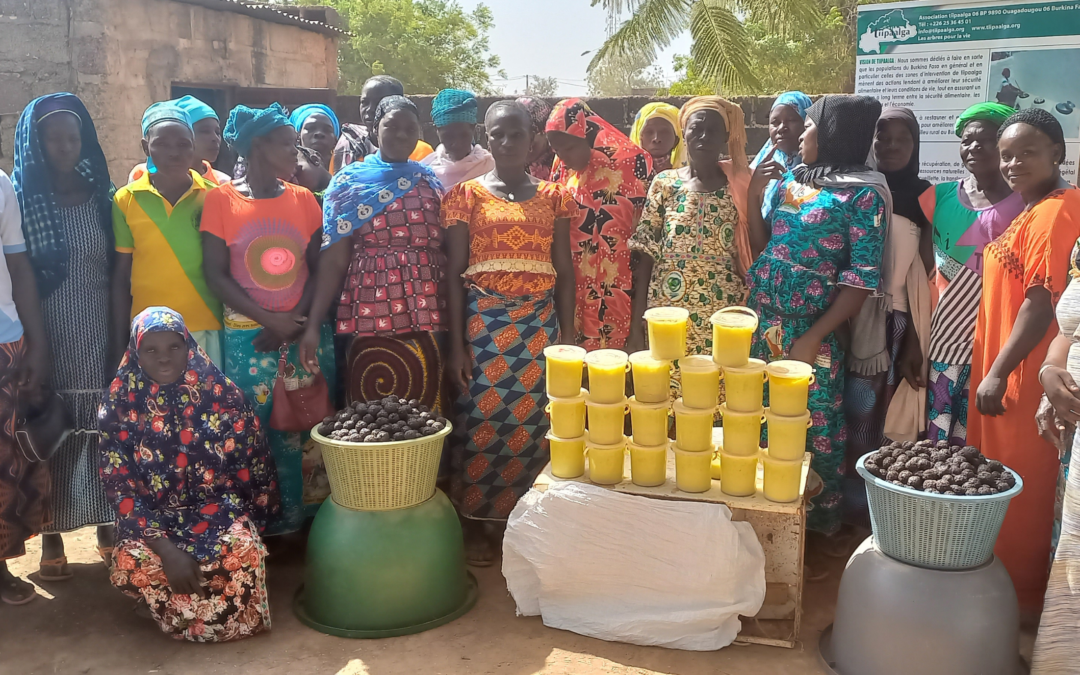
The fruits of women’s labour
For centuries, Soumbala has played an important role in the culture and cuisine of the western Sahel. Made from the fermented seeds of African locust bean tree – the néré tree in French (Parkia biglobosa) – Soumbala is widely used as a condiment in soups, stews and...
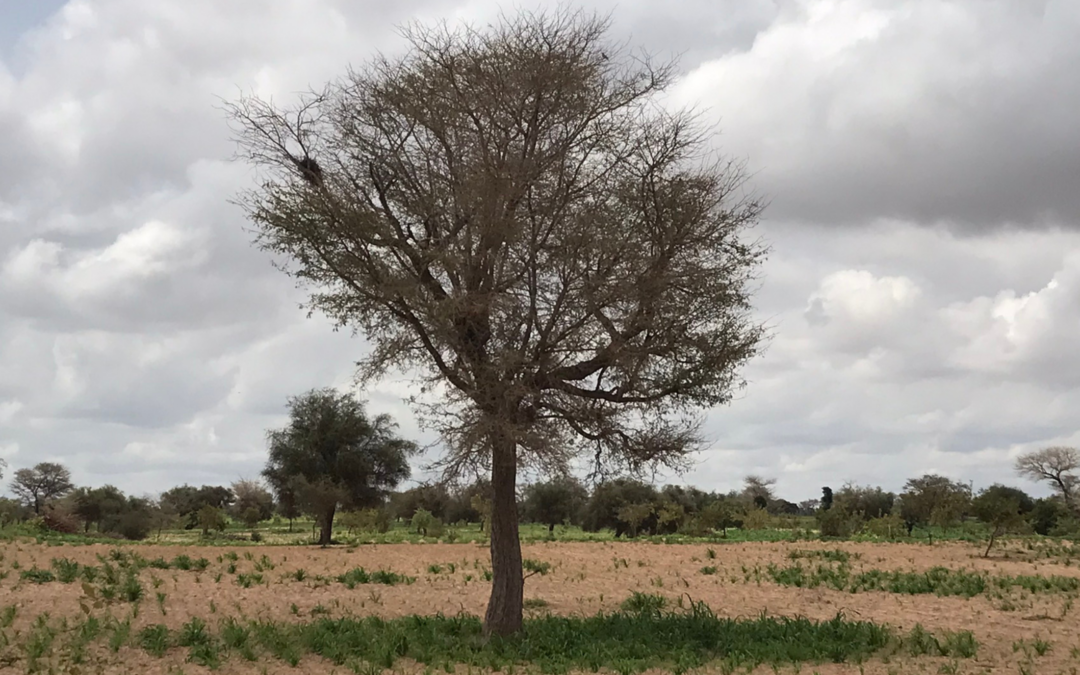
Faidherbia albida: a friend to the Sahel’s farmers
In Latin, it’s Faidherbia albida. In Niger, it’s the gao tree. In Senegal, it’s called the kadd. In Burkina Faso, it’s known as the balanzan. The name of the tree may vary. But everywhere cross the Sahel, one thing is true: Faidherbia albida is a trusted friend to...
Support for youth-led regreening
The Sahel is one of the world’s most youthful regions. With more than sixty per cent of the population under the age of 25, the Sahel’s young people hold the key to the region’s future. Yet their opportunities – access to land, employment and decision-making spaces –...