The Sahel
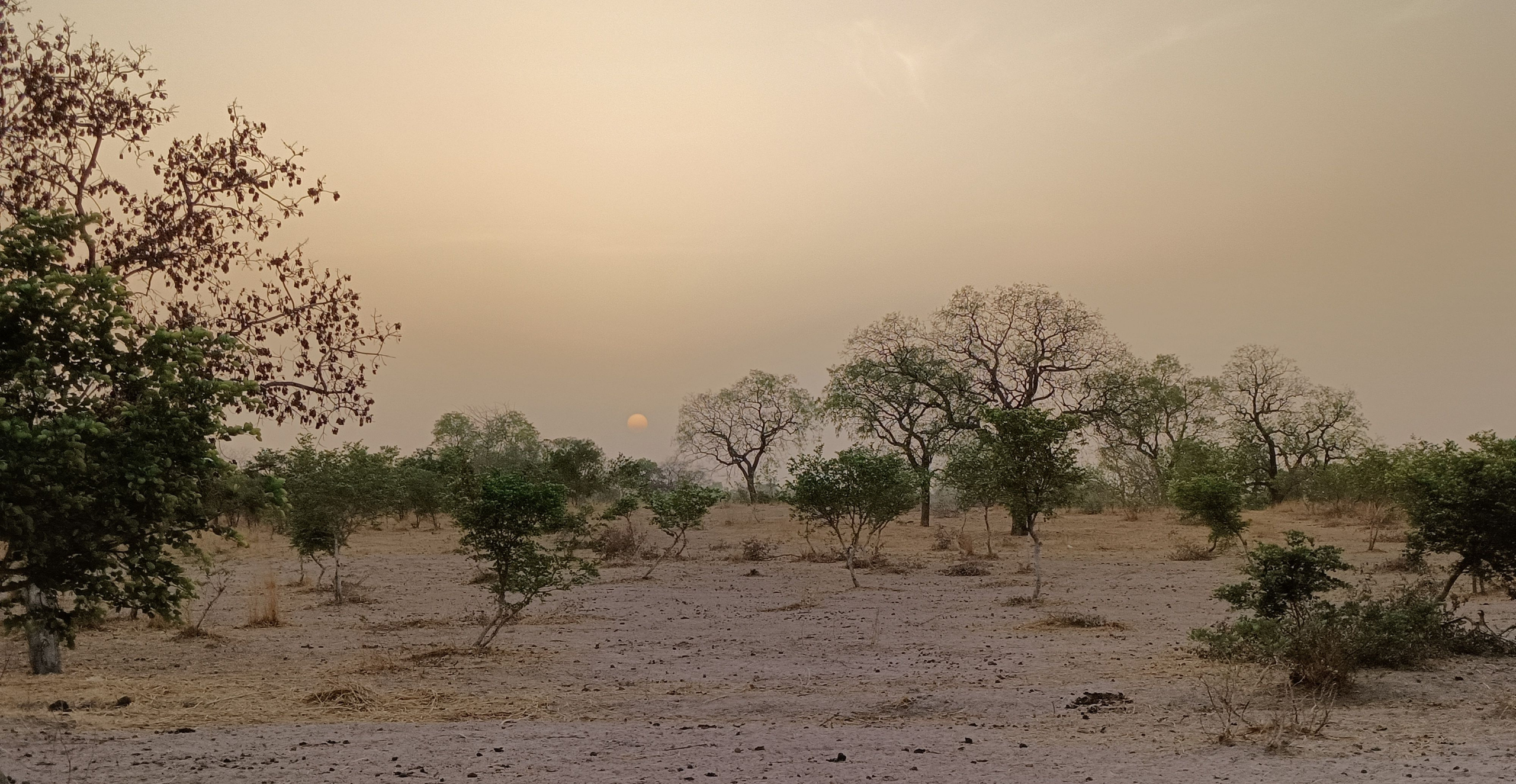
The vast semi-arid region of the Sahel stretches across Africa, just south of the Sahara Desert. For centuries, native trees and shrubs, including the Baobab, Tamarind, Desert date and Shea tree, could be found scattered across the open savannah and farmers’ fields.
But the landscape of the Sahel began to change in the twentieth century. Colonial policies and customs contributed to overgrazing and unsustainable agricultural practices. Removal of trees and shrubs on agricultural land became common practice, disturbing the fragile balance between the region’s ecosystems and its people, and driving land degradation.
Fortunately, communities in Niger, Burkina Faso and Senegal are now reversing the trend. They are reviving Indigenous knowledge and techniques – known as Farmer Managed Natural Regeneration – to restore the Sahel’s ecosystems and strengthen the resilience of its people.
Land degradation and climate change
Home to a growing population of some 400 million people, the Sahel faces major challenges, including poverty, hunger, malnutrition and political unrest. Climate change, which is causing higher temperatures, higher evaporation rates and increased variability of rainfall in the Sahel, is exacerbating the problem of land degradation. Short and erratic rainy seasons and long dry spells are contributing to declining agricultural yields and malnutrition. The loss of productive and fertile land is threatening the well-being and livelihoods of the Sahel’s farming and pastoralist communities.
Insecurity and gender inequality
Pressure on land, migration and political instability are fuelling conflict. The two main agricultural production systems – small-scale rain-fed agriculture and pastoralism – often compete for the same land and water resources, contributing to local outbreaks of violence. Armed groups in Niger and Burkina Faso have contributed to the forced displacement of millions of people in the region.
For women and girls in the Sahel, the situation is especially severe. The gender gap in the Sahel is one of the widest in the world. Women play a major role in food production and animal husbandry, as well as provision of basic needs such as water and firewood for their families. They experience first-hand the impacts of land degradation and climate change, yet are excluded from decisions that affect them.
Underground forests
Fortunately, communities across the Sahel are restoring the rich ecosystems beneath their feet through Farmer Managed Natural Regeneration. Based on Indigenous knowledge and practices, FMNR was reintroduced in the 1980s by farmers in Niger, who started regreening their land by reviving native ‘underground forests’ of roots, stubs, and seeds. Fostering more inclusive, peaceful land and resource governance is a key component of the approach. Their efforts were hugely successful. Over time, they showed that FMNR restores soil fertility and water retention capacity, leading to increased tree density and higher agricultural yields.
In the Sahel’s challenging environment, FMNR provides an accessible and affordable approach to ecosystem restoration. As a locally-led solution to land degradation, it is both more effective, cheaper and more sustainable than top-down tree-planting programmes. With FMNR, communities across the Sahel are now poised to turn the tide. They are restoring the environment, rebuilding trust, and strengthening food security and sustainable livelihoods. Thanks to their efforts, a more stable, secure and resilient Sahel is on the horizon.