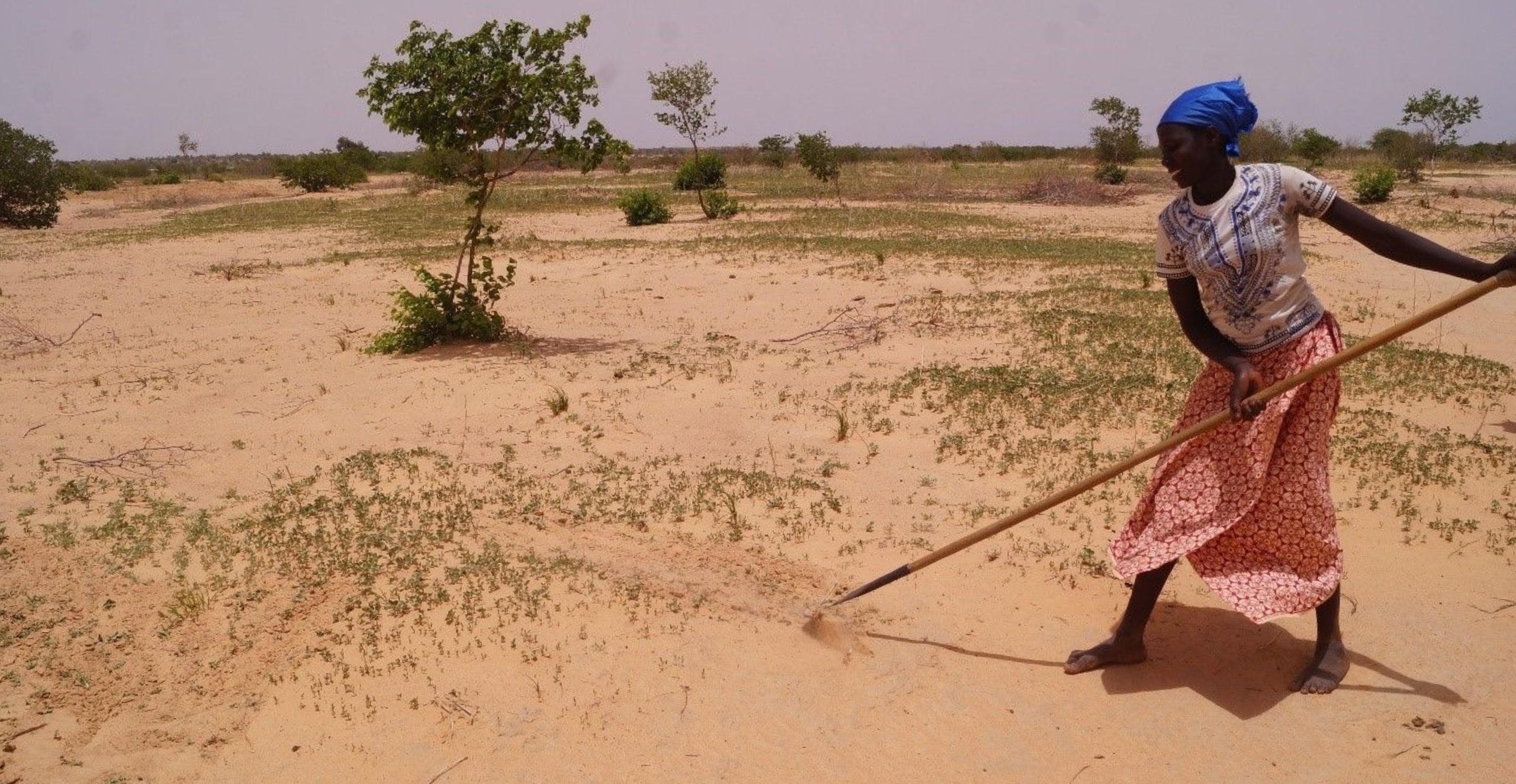
The Sahel is one of the world’s most youthful regions. With more than sixty per cent of the population under the age of 25, the Sahel’s young people hold the key to the region’s future. Yet their opportunities – access to land, employment and decision-making spaces – is often very limited.
At the same time, young people are often at the forefront of climate justice movements. They have an important role to play in bringing about the change that is needed, including in restoring the Sahel’s degraded ecosystems and strengthening livelihood opportunities based on Farmer Managed Natural Regeneration.
Small grants
Communities Regreen the Sahel works to inspire and strengthen youth engagement and leadership in restoring the Sahel’s ecosystems, and building resilience among its communities. Small grants to community-level youth groups help support regreening initiatives designed and implemented by the youth themselves.
With the grants, community youth groups in Senegal, Niger and Burkina Faso have been able to buy essential equipment or made key investments for regreening and FMNR-related livelihood projects. For example, one group purchased processing units for the production of soap and oil made with FMNR trees. Another purchased supplies for the development of school vegetable gardens and tree nurseries. Yet another invested in fencing, vegetable seeds and saplings, and the installation of a water reservoir.
In all cases, the youth groups took the lead in identifying their own needs, writing their grant proposals and implementing the activities.
The success of FMNR is very motivational for youth
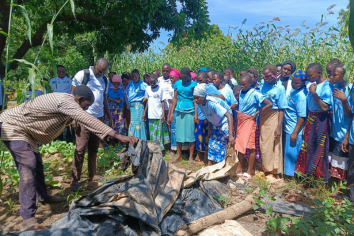
Environmental education for high school students in Burkina Faso
Strengthening youth capacities for FMNR
Alongside of funding, we are strengthening the youth groups’ knowledge and capacities to engage and play a leadership role in FMNR. Activities have included visits to FMNR sites, where youth groups learn about FMNR from ‘champion’ farmers, who share their experiences, knowledge and skills.
So far, the grants have directly benefited hundreds of young people, and their impact is trickling down to many others. More than a thousand school children are indirectly benefiting from school vegetable gardens and the establishment of tree nurseries on school grounds. These school-based initiatives have contributed to greater awareness and engagement of students, particularly through their school governments. Student clubs are now being organised to develop and monitor new regreening initiatives. The momentum for youth-led regreening is building.