Communities Regreen the Sahel is helping strengthen the social fabric of communities across Niger, Burkina Faso and Senegal. We aim to catalyse more just, resilient and peaceful futures for people in the Sahel by supporting them in building inclusive local governance structures that facilitate regreening.
Collective agreements
Land degradation puts pressure on local communities. As access to fertile land, water and natural resources declines, tensions between different land users – farmers, herders, nomadic populations, Internally Displaced People and their host communities – can grow. Without clear agreements, such tensions can turn into serious conflict.
Peaceful collaboration around natural resource management is key to the long-term success of regreening efforts. The Communities Regreen the Sahel programme assists communities in building trust to collectively manage their land and resources. Through creation of village committees, we support people to make agreements about land use, and the protection of saplings and trees.
Village committees bring together representatives from diverse groups and build on existing social structures: both formal and informal community leaders, such as village chiefs, are engaged in decision-making. Committee members receive training in peaceful conflict resolution and participatory land management. Meetings provide a space for dialogue and mediation between the different land users. In the last several years, we have helped establish more than 800 village committees across Niger, Burkina Faso and Senegal.

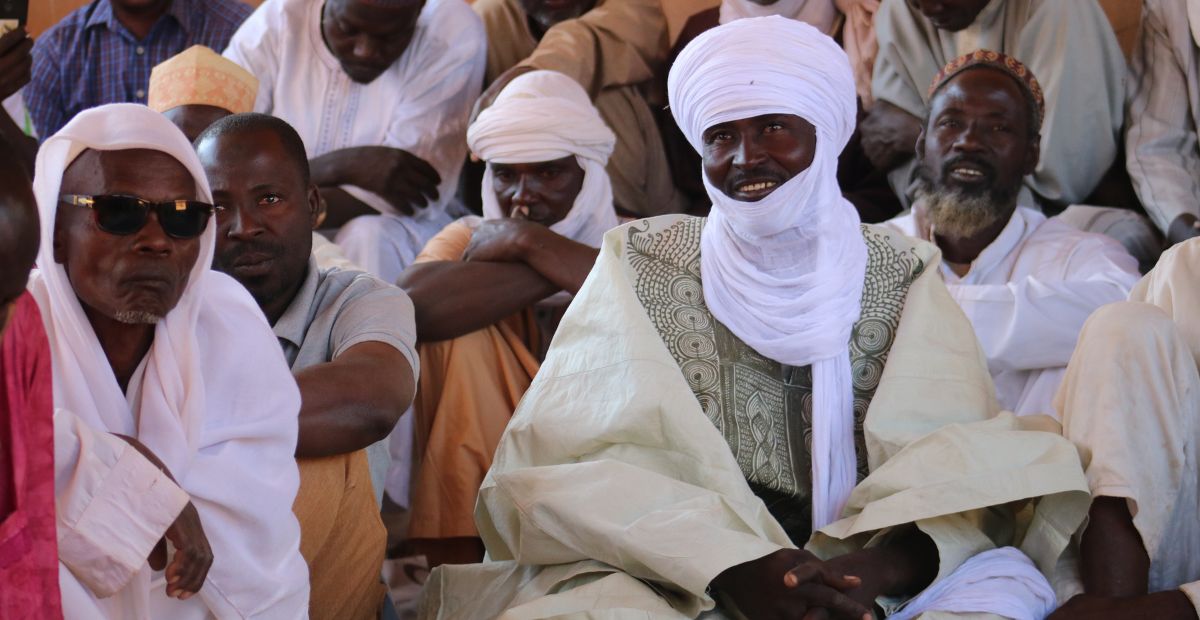
Pastoralist leader at a meeting
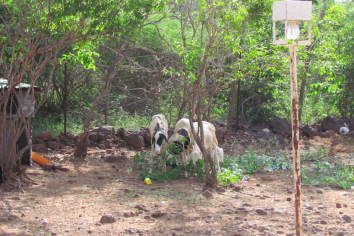
Goats eating fodder from FMNR trees in Senegal
Shared benefits
When agreements are made to facilitate Farmer Managed Natural Regeneration, everyone in the community stands to benefit. As part of the Communities Regreen the Sahel programme, farmers, pastoralists and other community members are trained in ‘social fencing’: agreements are made about how to prune trees and use natural resources. Pastoralists agree to provide farmers manure, which enriches the soil for farming and the regeneration of trees. In exchange, they receive crop residues and tree prunings, which serve as valuable fodder for their livestock.
An effective solution in the context of insecurity
With Farmer Managed Natural Regeneration, the roots of regreening are local – both literally and figuratively. In the insecure context of the Sahel, local leadership and knowledge are essential for ensuring that activities continue and results are sustained, even when villages become inaccessible to external actors. Where top-down regreening efforts have been forced to stop because of security issues, the bottom-up approach of the Communities Regreen the Sahel programme means that village regreening activities can continue unabated.
Related stories
Faidherbia albida: a friend to the Sahel’s farmers
In Latin, it’s Faidherbia albida. In Niger, it’s the gao tree. In Senegal, it’s called the kadd. In Burkina Faso, it’s known as the balanzan. The name of the tree may vary. But everywhere cross the Sahel, one thing is true: Faidherbia albida is a trusted friend to...
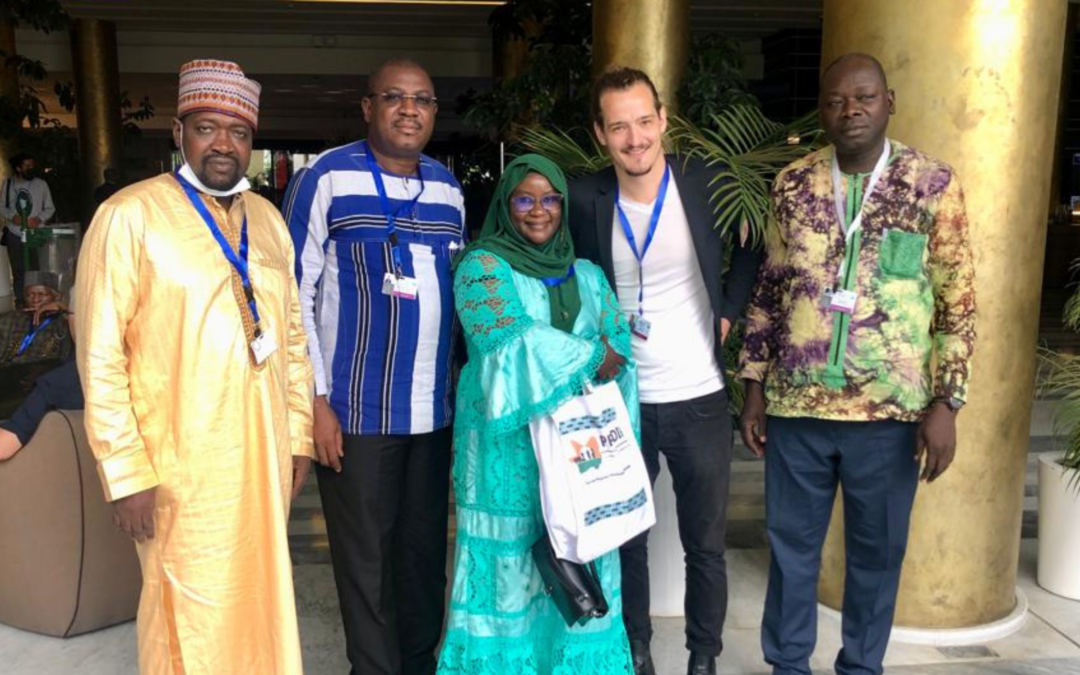
Local regreening, global support: Advocacy at the UNCCD
Local farmers in the Sahel are at the forefront of sweeping change. They are coming together to halt land degradation and desertification, and restore healthy ecosystems. We aim to ensure that Farmer Managed Natural Regeneration – and community-led ecosystem...