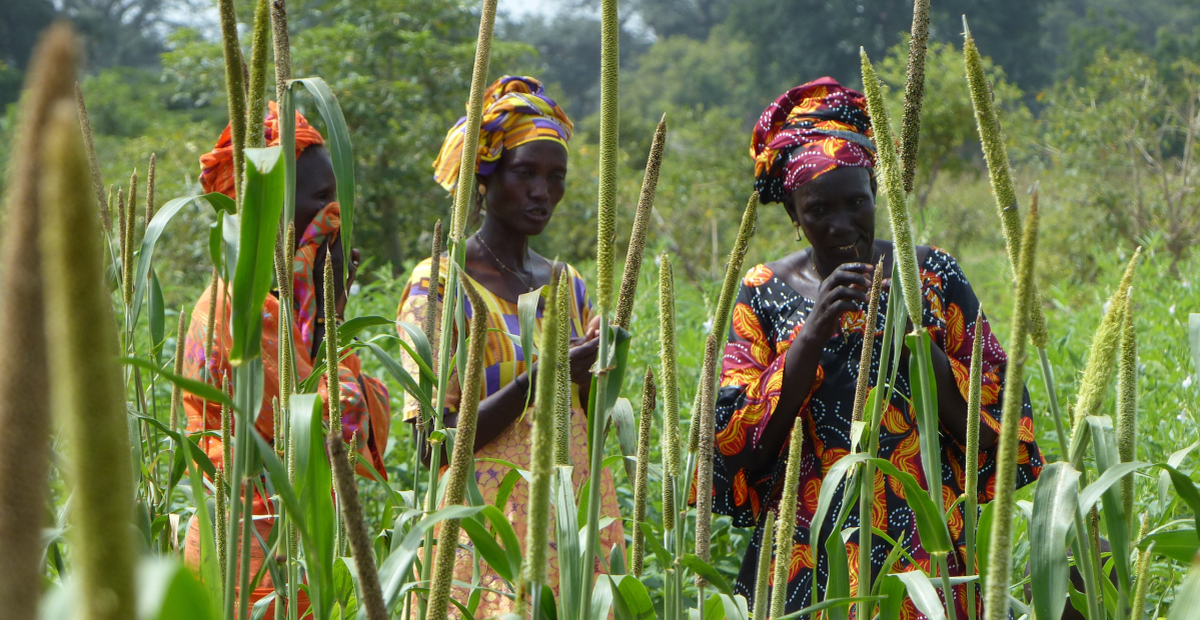
In the Sahel, land degradation and climate change affect everyone. But their impacts fall most heavily on marginalised groups, including women, youth, pastoralists and Internally Displaced People (IDPs). Communities Regreen the Sahel is committed to ensuring that everyone in the community is actively involved in decision-making and benefiting equitably from regreening. Gender equality and social inclusion are core to our regreening strategy.
The success of Farmer Managed Natural Regeneration depends on broad community ownership and the harnessing of diverse sources of knowledge. From the beginning, Communities Regreen the Sahel engages all community members, with particular attention to women and youth. By facilitating agreements on land use, and creating women and youth groups, we ensure that everyone’s voice is heard in planning and decision-making.
Village committees
In the Sahel, where land use conflict between farmers and pastoralists is common, it is essential to address power dynamics and differences in land rights and responsibilities. The creation of village committees, which include representatives from farmer and pastoralist groups, are a core part of the programme. The committees make agreements on land use, and the protection of seedlings and trees, and provide a space for dialogue and mediation between different land users. Committee members receive training in peaceful conflict resolution and participatory land management. More than 800 village committees have been established across Niger, Burkina Faso and Senegal to foster inclusive management of regreening efforts. We work with local leaders to challenge norms that exclude certain groups from land use or governance.
Women and youth
In a context of extreme gender inequality, Communities Regreen the Sahel is helping strengthen women’s participation and livelihoods. In Niger, Burkina Faso and Senegal, women play a crucial role in farming, harvesting and processing of food and other non-timber forest products. We support women producers by providing the necessary tools and resources to establish FMNR processing units and to increase women’s access to markets for FMNR products.
Women are also central to efforts to combat undernourishment in the Sahel. Through training and awareness-raising, women are playing a lead role in educating and engaging their communities in harnessing the nutritional value of FMNR foods.
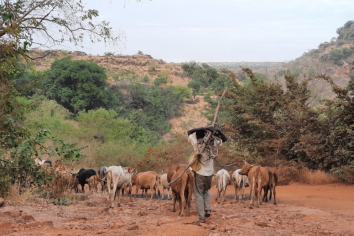
Pastoralist in Mali
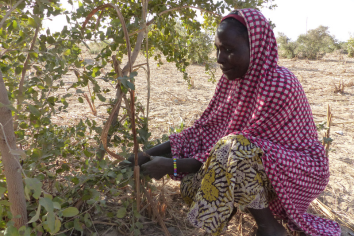
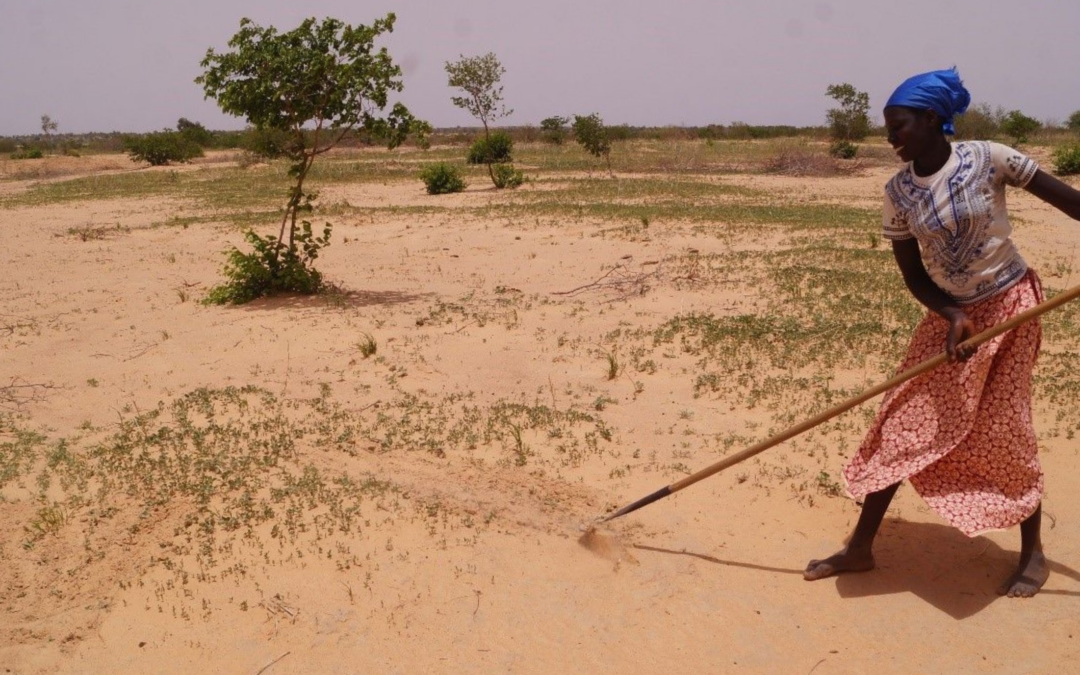
Woman taking care of a tree in Niger
Youth also have an important role to play developing their communities through FMNR. We engage them in building FMNR value chains, as well as processing and trading of FMNR products. We facilitate their participation in exchange visits to successful FMNR sites and in school programmes to learn about FMNR. Through small grants, we are supporting youth groups to develop and implement their own FMNR initiatives. Examples include the development of soap and oil production made with materials from FMNR trees, and the creation of school vegetable gardens and nurseries.
Social cohesion
Our inclusive approach helps to ensure the long-term sustainability of regreening efforts in Niger, Burkina Faso and Senegal. It also helps strengthen social cohesion and reduce conflict, which is essential for bringing about more peaceful and equitable societies across the Sahel. By actively involving marginalized groups, including women, youth, pastoralists and Internally Displaced People, the programme fosters collaboration and mutual understanding between diverse community members.
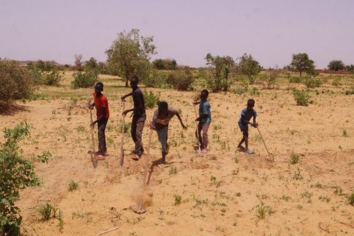
The success of FMNR is very motivational for youth
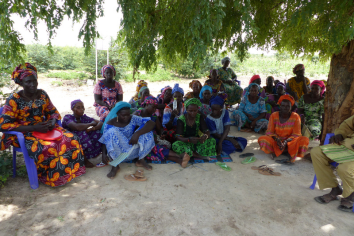
Meeting of a women’s group in Niger
Related stories
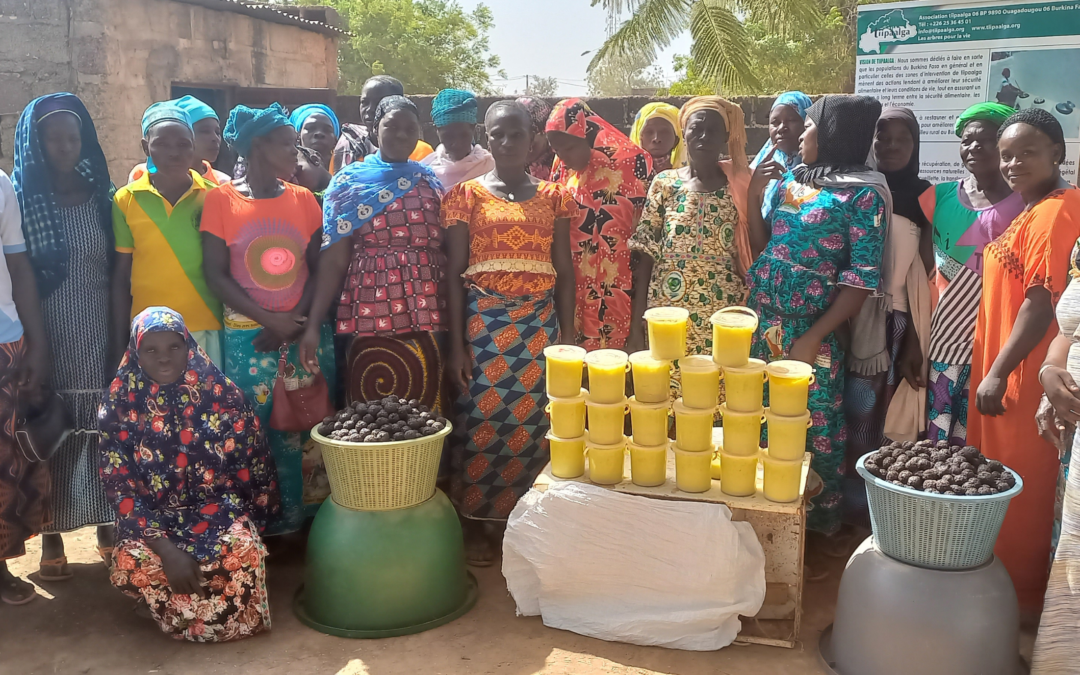
The fruits of women’s labour
For centuries, Soumbala has played an important role in the culture and cuisine of the western Sahel. Made from the fermented seeds of African locust bean tree – the néré tree in French (Parkia biglobosa) – Soumbala is widely used as a condiment in soups, stews and...
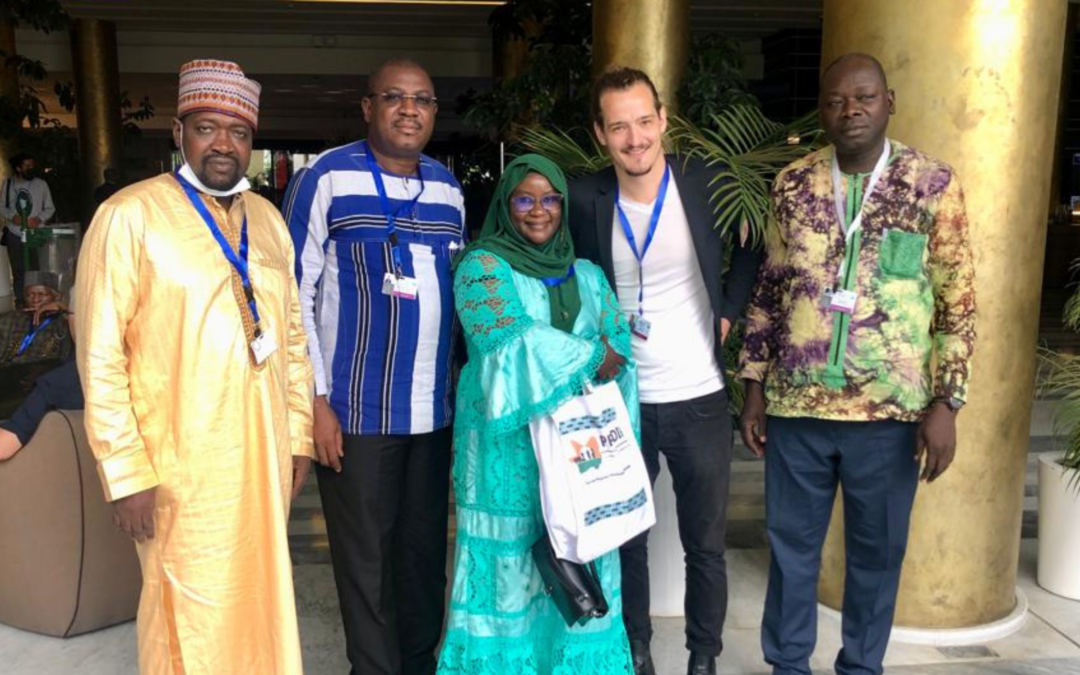
Local regreening, global support: Advocacy at the UNCCD
Local farmers in the Sahel are at the forefront of sweeping change. They are coming together to halt land degradation and desertification, and restore healthy ecosystems. We aim to ensure that Farmer Managed Natural Regeneration – and community-led ecosystem...
Support for youth-led regreening
The Sahel is one of the world’s most youthful regions. With more than sixty per cent of the population under the age of 25, the Sahel’s young people hold the key to the region’s future. Yet their opportunities – access to land, employment and decision-making spaces –...