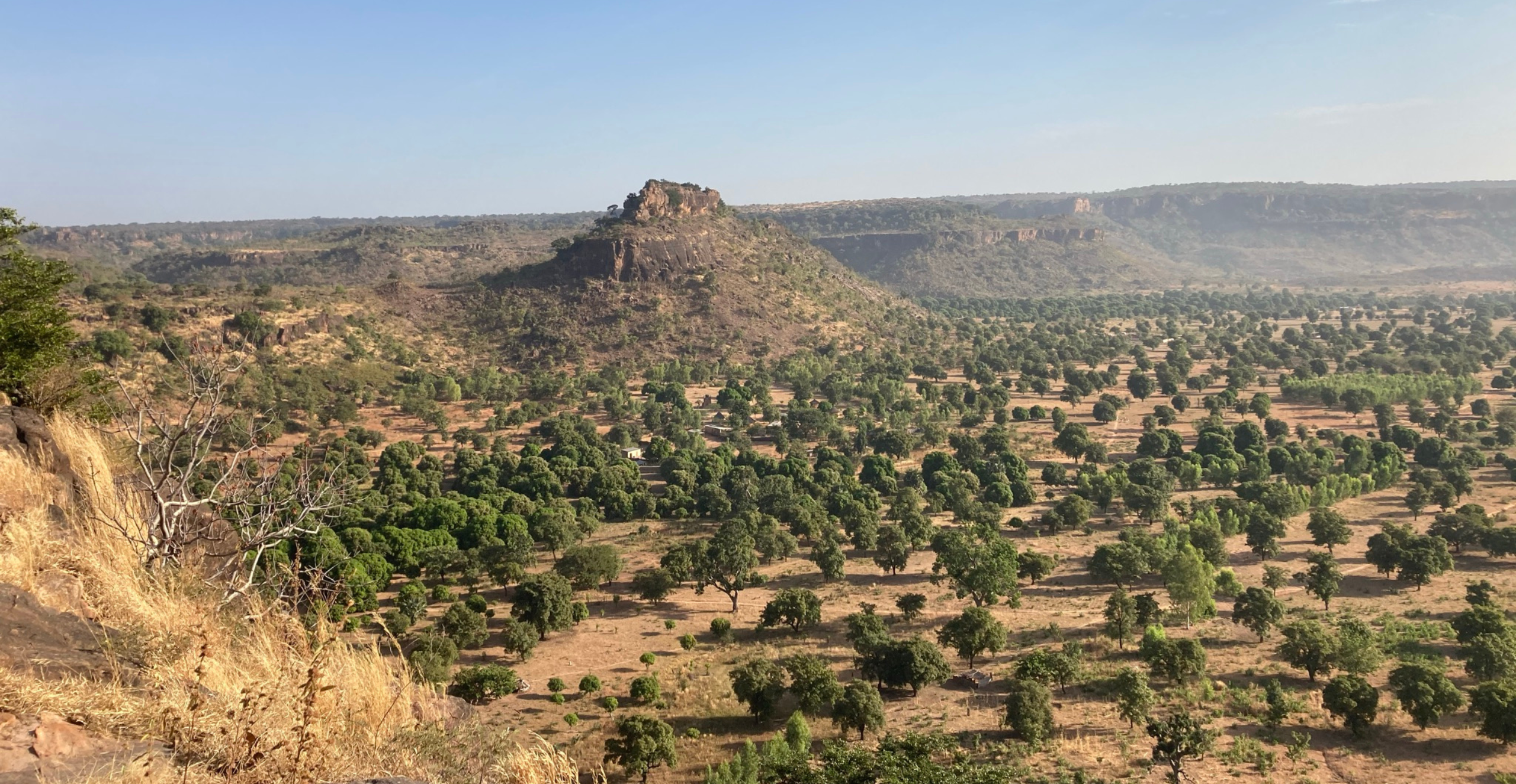
One of the hottest regions in the world, the Sahel is particularly vulnerable to climate change. In addition to long dry spells and shorter and more erratic rainy seasons, climate change is driving temperatures even higher. Degraded land leaves the region’s ecosystems – and its people – highly vulnerable to climate shocks, including drought, floods and heavy winds.
Fortunately, local communities in the Sahel are successfully restoring the Sahel’s fragile ecosystems through Farmer Managed Natural Regeneration. By reviving the Sahel’s ‘underground forests’, communities are helping mitigate climate change, while also adapting and building resilience to its impacts. Thanks to the Communities Regreen the Sahel programme, more than 140,000 hectares have been regreened across Niger, Burkina Faso and Senegal. Average tree density has more than doubled – from 30/ha to 70-80/ha – on regreened areas.
Restoring ecosystems, creating resilient landscapes
FMNR is a highly effective, indigenous technique to regenerate endemic forest landscapes by reviving dormant roots, stubs and seeds. Farmers identify and protect tree seedlings, and nurture the regrowth of native, drought-resistant trees on their land.
The integration of trees on agricultural land helps farmers cope with the more extreme and unpredictable weather brought on by climate change, while also increasing agricultural productivity and biodiversity. Regenerated indigenous trees protect the ground from heat stress, and improve soil moisture and soil fertility. By reducing run-off and evaporation, trees foster water retention and groundwater recharge. Their deep roots prevent soil erosion from wind and water.
Increased diversity of trees and crops also spreads the risks of climate impacts. When drought hits or heavy rain falls, some plants can cope better than others. More diverse sources of food and other non-timber forest products increases food security and provides more stable income streams for the Sahel’s local communities.
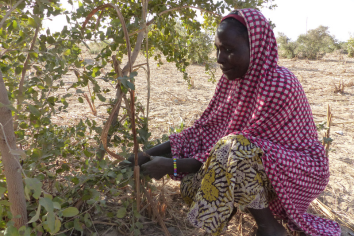
Woman takes care of a tree in Niger
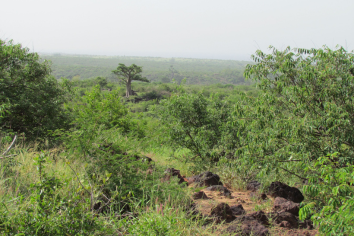
Green landscape in Senegal

By reviving the Sahel’s ‘underground forests’, communities are helping mitigate climate change, while also adapting and building resilience to its impacts
An important locally-led climate mitigation strategy
Land degradation, which decreases the soil’s ability to store greenhouse gases, is one of the biggest causes of climate change. Reversing land degradation is thus crucial for tackling climate change. By reviving the Sahel’s dormant forests and restoring soil health, FMNR helps keep carbon out of the atmosphere and in the ground and trees. As such, in addition to helping communities adapt to climate change, FMNR provides a locally-led, extremely cost-effective and scalable strategy for climate mitigation.
Communities Regreen the Sahel is raising awareness about the climate benefits of FMNR. We engage with decision-makers at all levels, from the local to the global, to recognise FMNR as an effective method for climate mitigation and adaptation, and support its massive upscaling, including by embedding FMNR in climate and land use strategies and policies.
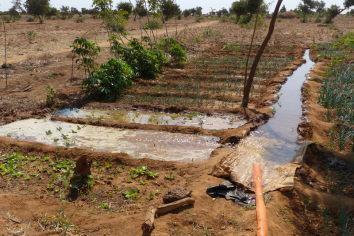
FMNR increases water levels and enables irrigation
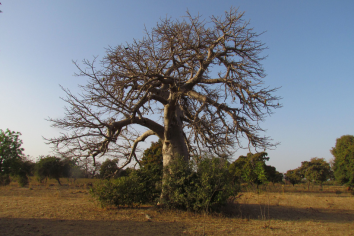
Baobab tree in Senegal
Related stories
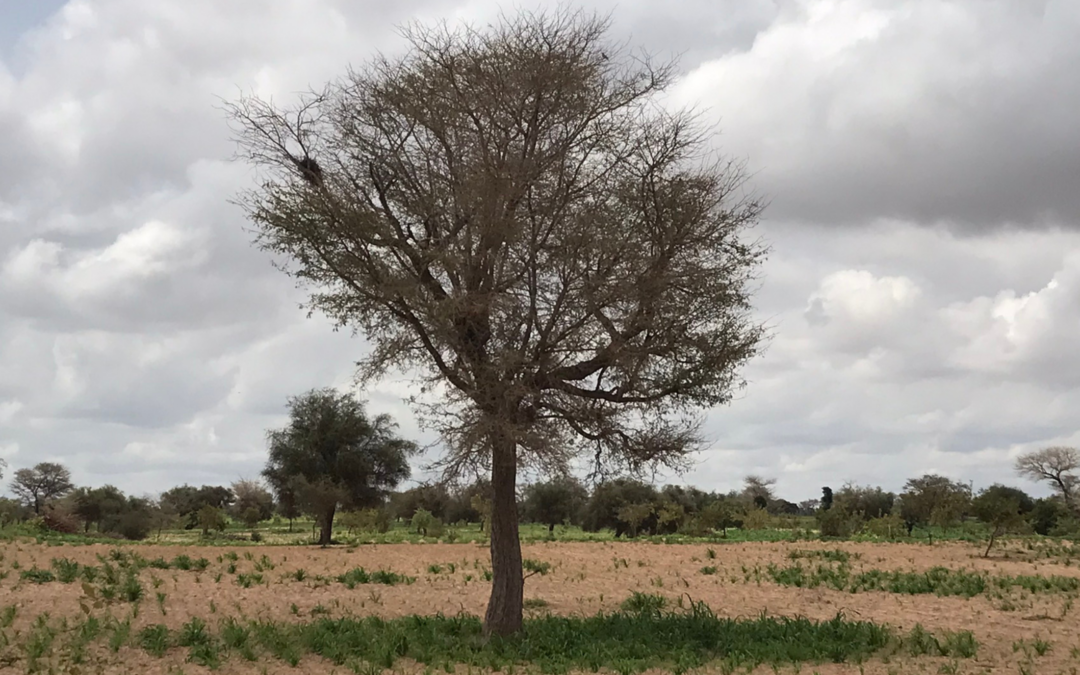
Faidherbia albida: a friend to the Sahel’s farmers
In Latin, it’s Faidherbia albida. In Niger, it’s the gao tree. In Senegal, it’s called the kadd. In Burkina Faso, it’s known as the balanzan. The name of the tree may vary. But everywhere cross the Sahel, one thing is true: Faidherbia albida is a trusted friend to...
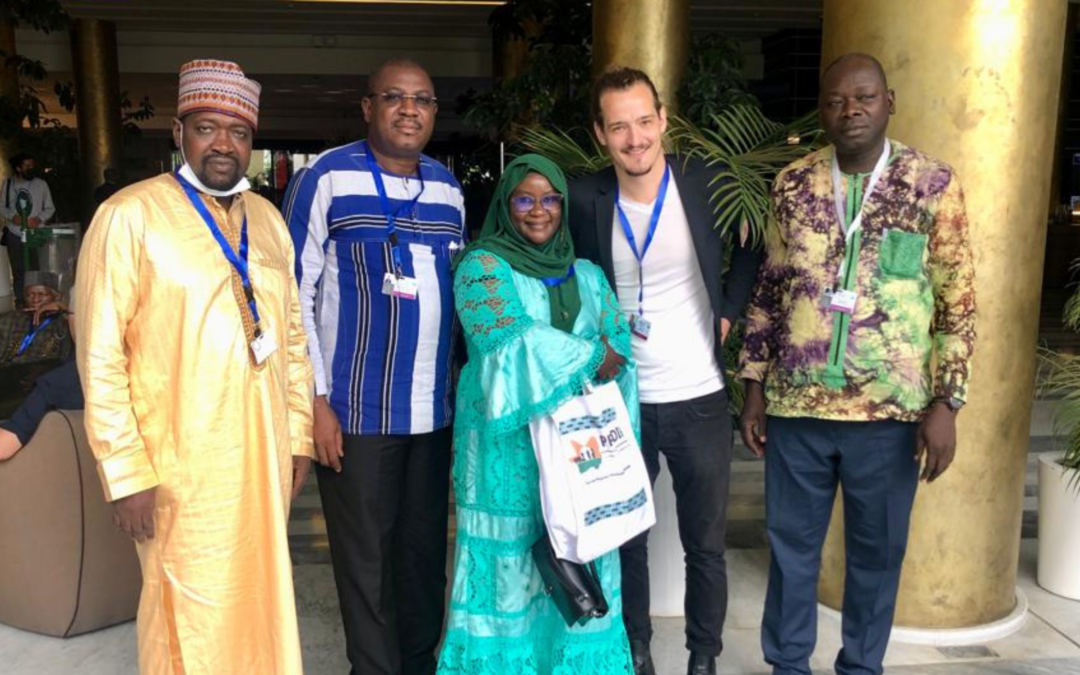
Local regreening, global support: Advocacy at the UNCCD
Local farmers in the Sahel are at the forefront of sweeping change. They are coming together to halt land degradation and desertification, and restore healthy ecosystems. We aim to ensure that Farmer Managed Natural Regeneration – and community-led ecosystem...