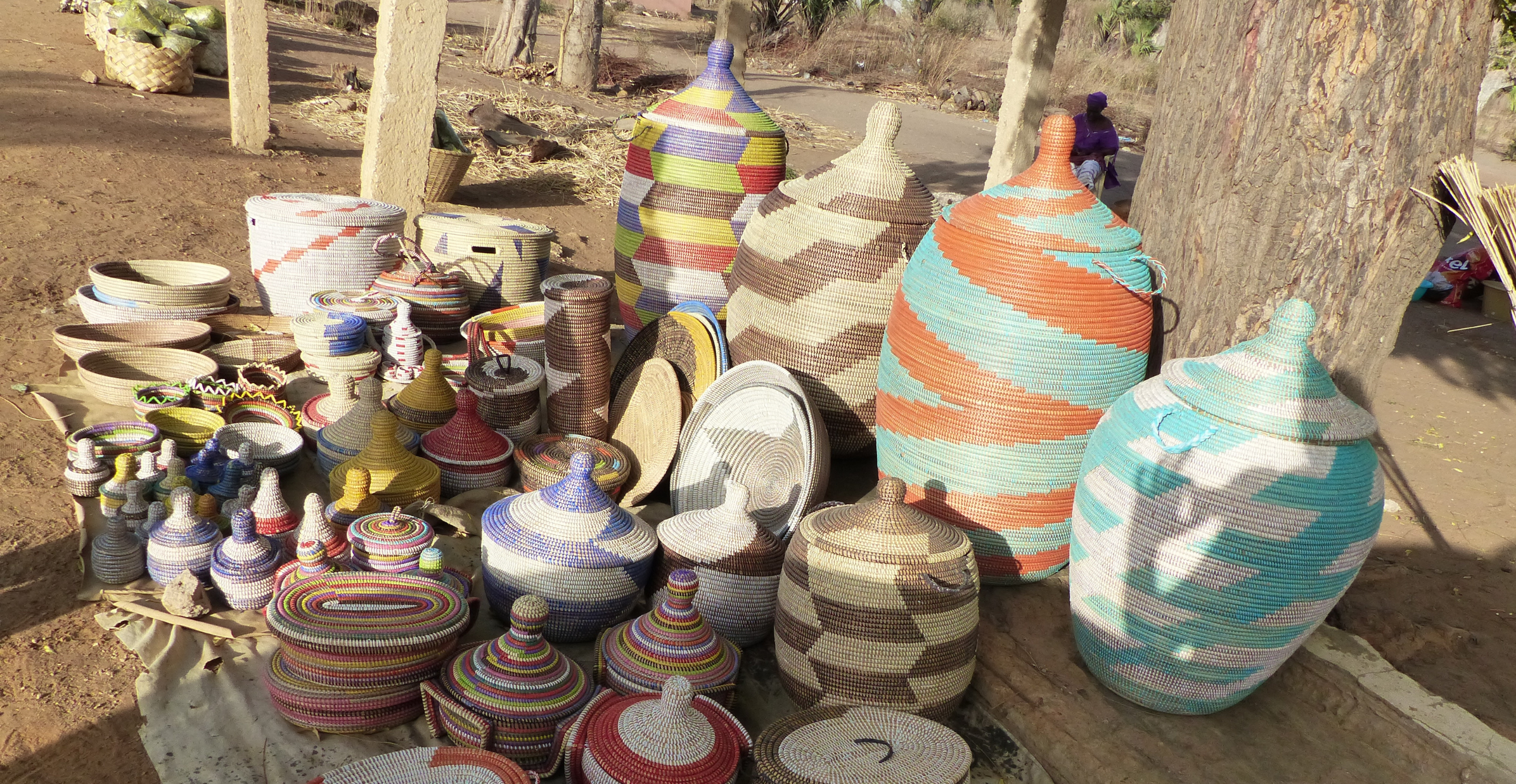
Through Farmer Managed Natural Regeneration, communities across the Sahel are laying a path to a greener future, both literally and figuratively. By increasing the health and productivity of local ecosystems, FMNR offers a means to strengthen local livelihoods through the production of Non-Timber Forest Products (NTFPs). Regenerated forests are rich in valuable foods, such as fruits, nuts and leafy vegetables. They also provide the ingredients for important food products, including shea butter, oil, honey and soumbala, a popular and nutritious condiment made from fermented African locust bean.
Strengthening value chains
For FMNR food producers to maximise the economic benefits of FMNR products, functioning value chains and improved access to markets are essential. Communities Regreen the Sahel works with FMNR farmer organisations in Niger, Burkina Faso and Senegal to develop their business models and improve the marketing of FMNR products.
We support farmer organisations in strengthening financial management and obtaining access to credit, which is essential for investments in tools, seeds and the like. We also facilitate linkages between producers and buyers, and work with local authorities to improve market places and structures, and to optimise the balance between supply and demand.
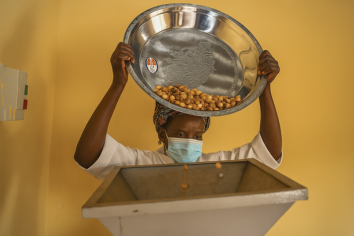
Woman using the balanites processing equipment in Mboula
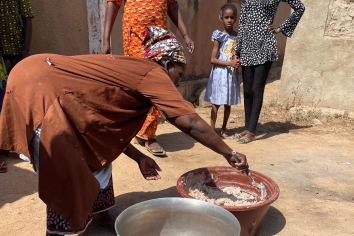
Women producing shea butter
A key role for women producers
Access to markets is especially important for women, as they play a principal role in the harvesting, production and processing of FMNR food products and other NTFPs. We provide technical and financial support for women’s groups to establish joint processing units for FMNR foods. Trainings in production and packaging enable women to add value and sell their products commercially. A small revolving loan fund enables women’s groups to purchase essential equipment, such as large-capacity cooking pots, basins, cooking utensils and gas bottles, and to add value to FMNR products. When a group turns a profit and the loan is paid back, the money is made available to another women’s group.
Increased incomes
Improved access to markets and stronger FMNR value chains helps boost sales of FMNR products. By 2027, we aim to double the income of 15,000 FMNR practitioners in Niger, Burkina Faso and Senegal through the sale and processing of FMNR products.
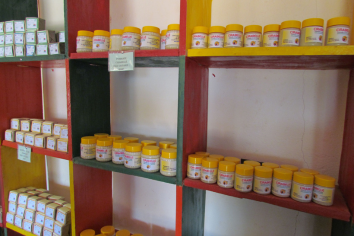
A shop in Burkina Faso sells locally produced soaps and creams
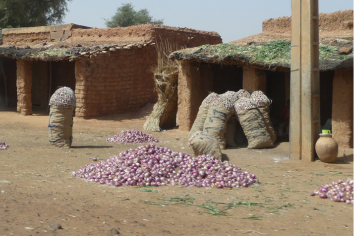
Onions are being sold along the street
Related stories
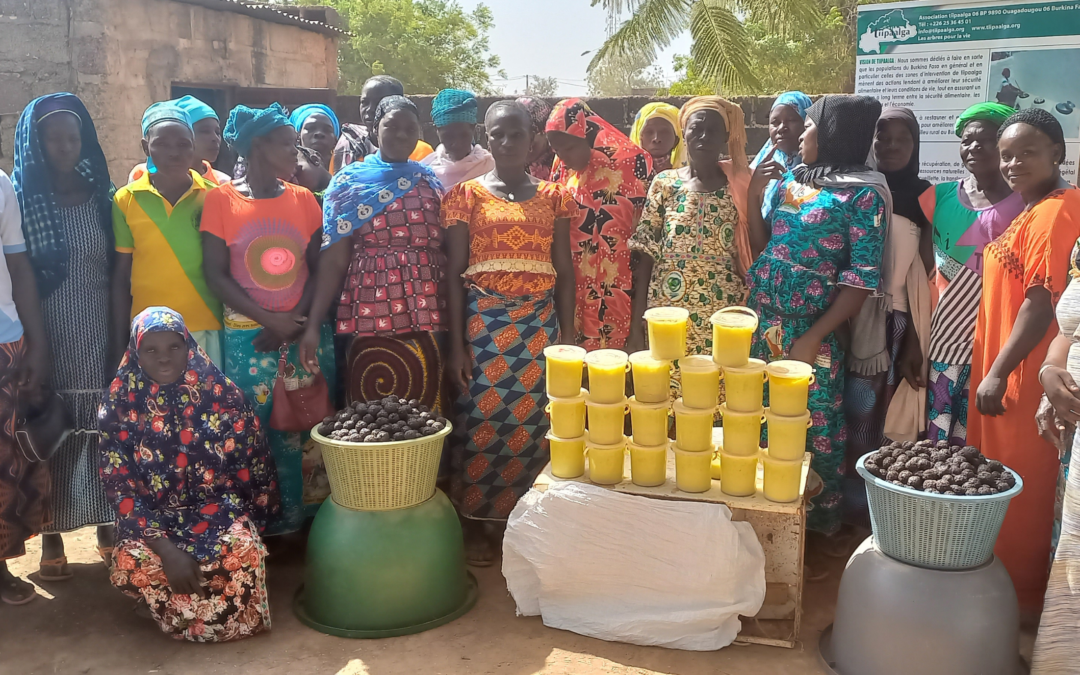
The fruits of women’s labour
For centuries, Soumbala has played an important role in the culture and cuisine of the western Sahel. Made from the fermented seeds of African locust bean tree – the néré tree in French (Parkia biglobosa) – Soumbala is widely used as a condiment in soups, stews and...
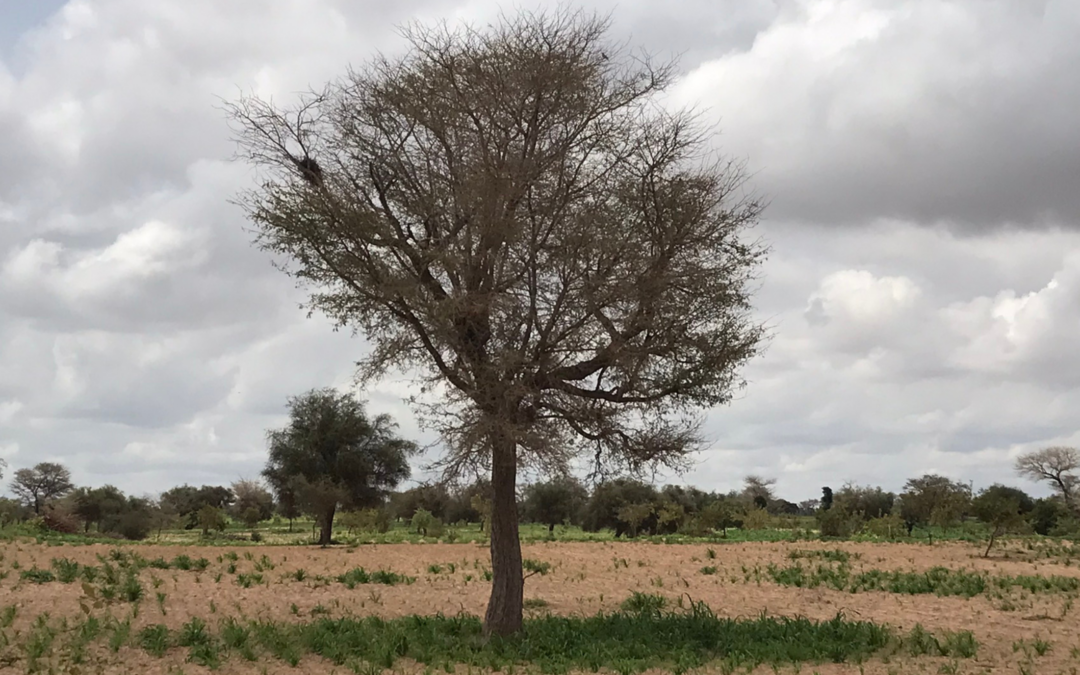
Faidherbia albida: a friend to the Sahel’s farmers
In Latin, it’s Faidherbia albida. In Niger, it’s the gao tree. In Senegal, it’s called the kadd. In Burkina Faso, it’s known as the balanzan. The name of the tree may vary. But everywhere cross the Sahel, one thing is true: Faidherbia albida is a trusted friend to...
Support for youth-led regreening
The Sahel is one of the world’s most youthful regions. With more than sixty per cent of the population under the age of 25, the Sahel’s young people hold the key to the region’s future. Yet their opportunities – access to land, employment and decision-making spaces –...